

Top Divorce Lawyer Your Legal Guide
Top Divorce Lawyer Your Legal Guide Navigating divorce is challenging, but a top divorce lawyer can make the journey smoother by providing essential guidance and support. With a skilled attorney on your side, you can gain a clearer understanding of your rights, responsibilities, and options at each step. From handling complex asset division and child... Read More
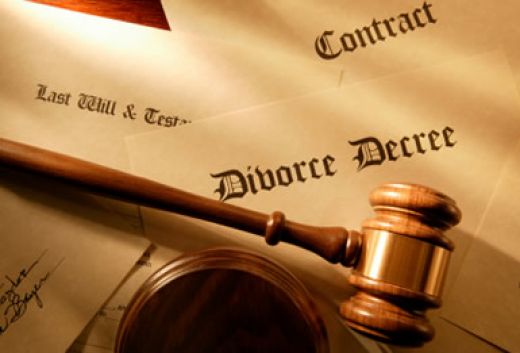
Affordable Divorce Lawyer Services
Affordable Divorce Lawyer Services Divorce can be overwhelming, both emotionally and financially, but finding an affordable lawyer can make all the difference. Affordable divorce lawyer services aim to offer practical solutions without breaking the bank. With the right professional by your side, you can navigate the complexities of the legal process while keeping costs manageable.... Read More
Harmonizing Divorce: A Compassionate Guide to Reshaping Your Journey
Divorce is a journey often marked by emotional upheaval and discord. The unraveling of lives once intertwined can be a formidable and stressful endeavor, but it doesn’t have to be synonymous with drama and conflict. Navigating divorce with less trauma is possible by placing a spotlight on introspection, maintaining emotional balance, and exploring alternatives to... Read More
Thorsteinson Law Group: Your Trusted Divorce Attorney in Huntington Beach, CA
Are you going through a separation or divorce? Do you need legal representation to handle child custody, visitation, or property division? Look no further than Thorsteinson Law Group, a top-notch divorce attorney in Huntington Beach, CA. Your Family Law Experts At Thorsteinson Law Group Your Family Law Experts At Thorsteinson Law Group, we understand how... Read More
Need a Divorce Lawyer in Huntington Beach?
The Thorsteinson Law Group is Here to Help Divorce and other family law issues can be emotionally challenging and legally complex. If you’re in Huntington Beach, CA, seeking a reliable divorce lawyer can ease your stress. Fortunately, you don’t have to look far to find expert legal representation. The Thorsteinson Law Group, led by attorney... Read More
Looking for Divorce Legal Services in Long Beach?
Meet Brett Thorsteinson at Thorsteinson Law Group Are you facing a divorce case and facing legal struggles? Do you need a professional lawyer to guide and represent you in your legal matters? You have come to the right place as Brett Thorsteinson at Thorsteinson Law Group is here to help you out. Brett is a... Read More

What Documents Do I Need For My Divorce
If you are considering divorce, you may be asking what documents do I need for my divorce? Divorce can be stressful, especially if you are unsure of where to start and what divorce documents to gather. It is a good idea to prepare the necessary documents needed in a divorce, which will become vital once... Read More
Divorce and Legal Separation
The main difference between divorce and legal separation is that a divorce ends your marriage or domestic partnership and a legal separation does not. After you get divorced, you will be single, and you can marry or become a domestic partner again. When you are legally separated, you cannot remarry. No Fault Divorce California is... Read More

Talking to Your Children About Divorce
Talking to your children about divorce is difficult but not impossible. While there is no easy way to talk about divorce, there are a few things you should keep in mind to make it as stress free as possible for them. When you sit down to tell your children you have decided to divorce, it’s... Read More
Five Steps After Initial Divorce Filing
There are different strategies and ways a divorce can be handled after the initial divorce filing. Your choice in divorce attorney can greatly effect your results. However, generally speaking, the divorce process consists of five steps after the initial filing. The paperwork to file for divorce is called the summons and petition for dissolution. There... Read More