
Your First Visit: Affordable Divorce Attorney in Long Beach
What to Expect at Your First Divorce Consultation in Long Beach: Affordable Divorce Attorney Guidance
Are you navigating the stress of a looming divorce in Long Beach? Facing unknown legal steps can feel overwhelming, but a well-structured initial meeting provides clarity, direction, and confidence. This guide outlines why a first divorce consultation matters, how to prepare, which questions to ask, what happens during the appointment, cost structures, next steps, and key California rules. At Thor Family Law, our affordable divorce attorneys in Long Beach combine legal expertise with compassionate support to guide families through every stage.
Why Is the First Divorce Consultation in Long Beach Important?
The first divorce consultation in Long Beach serves as a critical roadmap by introducing you to applicable family law, evaluating your unique circumstances, and recommending strategies to protect assets and parental rights. Understanding these foundational elements early can reduce conflict, prevent costly mistakes, and foster informed decision-making for your case. Establishing this legal framework helps you move forward with confidence and peace of mind.
What Are the Benefits of Early Legal Advice for Divorce?
Early legal advice for divorce means consulting an attorney before filing to understand filing requirements, financial disclosures, and custody considerations, which minimizes surprises and safeguards your interests. By assessing assets, liabilities, and support obligations in advance, you gain a strategic advantage that can streamline negotiations and reduce adversarial disputes. This proactive approach promotes efficiency and emotional relief, ensuring you start your case on solid footing.
How Does a Divorce Attorney Help During Your Initial Meeting?
A divorce attorney guides you through critical legal concepts, such as community property rules, spousal support formulas, and custody standards, translating complex statutes into clear action steps. By reviewing your documents, prioritizing your goals, and outlining potential timelines, your attorney lays out a customized plan to resolve disputes effectively. This expert analysis offers reassurance and a transparent path forward, empowering you to make well-informed choices.
How Should You Prepare for Your First Divorce Consultation in Long Beach?
Proper preparation ensures that your initial meeting is productive, focused, and tailored to your needs, allowing the attorney to provide accurate guidance and cost estimates. Gathering relevant records, organizing financial data, and identifying child-related information creates a comprehensive picture of your situation. This foundation enables your attorney to develop a targeted strategy that addresses your priorities and reduces back-and-forth.
What Documents Do You Need to Bring to Your Divorce Consultation?
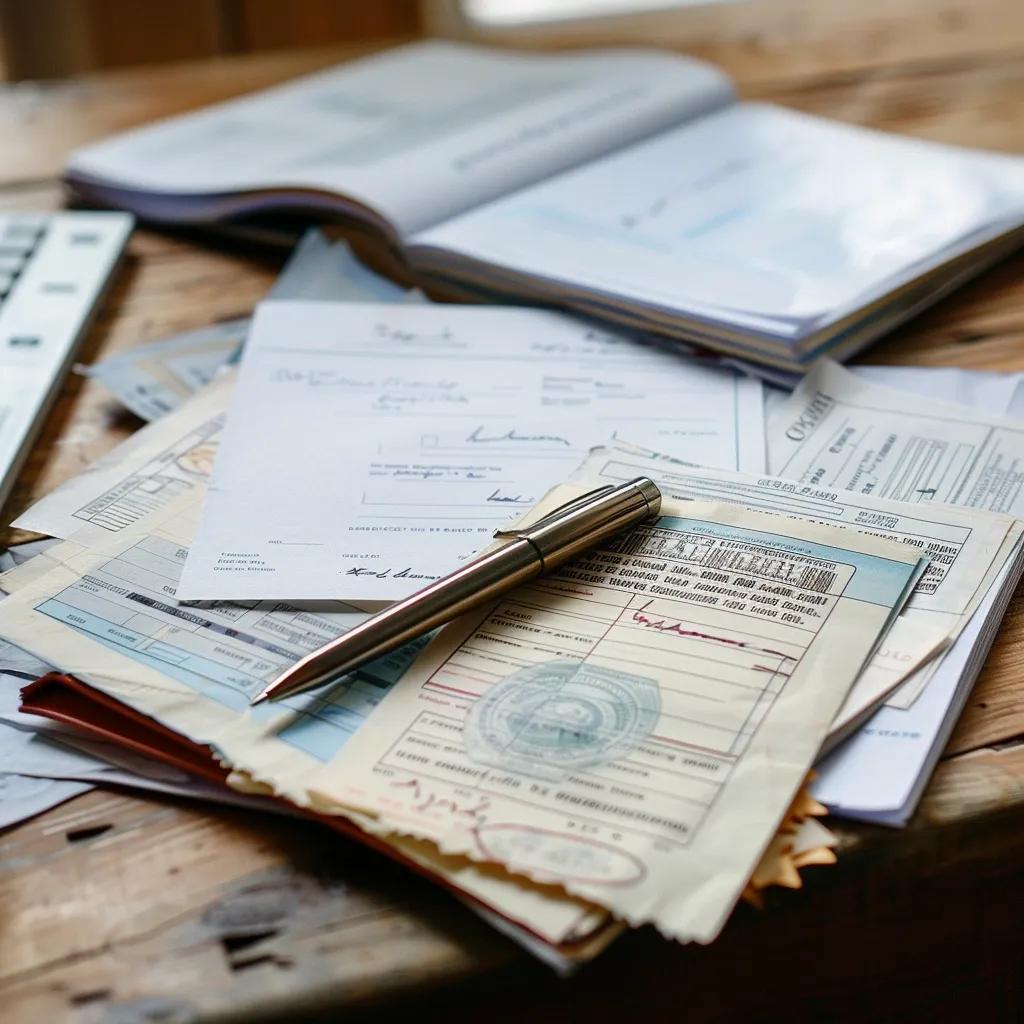
- A valid photo ID or driver’s license for residency verification.
- Recent pay stubs, tax returns, and bank statements to detail income and assets.
- Mortgage or lease agreements, property deeds, and retirement account summaries for asset mapping.
- Credit card statements, loan documents, and outstanding debt records to assess liabilities.
- Child custody schedules, school records, and healthcare information if children are involved.
How to Organize Financial and Child-Related Information for the Meeting?
Organizing information by category improves clarity and helps your attorney identify critical areas at a glance. The table below illustrates an effective approach:
| Category | Details to Include | Why Critical |
|---|---|---|
| Income | Pay stubs, bonuses, self-employment records | Establishes support calculations |
| Assets | Bank accounts, real estate, retirement funds | Defines community property scope |
| Liabilities | Loans, credit card balances, judgments | Impacts net worth and division strategies |
| Child Care & Education | Enrollment records, healthcare expenses, extracurriculars | Frames custody and support considerations |
What Local Long Beach Resources Can Support Your Preparation?
Long Beach offers community-based resources that complement legal guidance and help you navigate forms, mediation services, and support networks:
- Long Beach Superior Court Self-Help Center provides free forms and workshops.
- Orange County Family Law Facilitator’s Office offers guidance on child support calculations.
- Local legal aid clinics deliver income-based assistance for document review.
- Community drop-in centers host support groups for individuals facing divorce.
What Questions Should You Ask Your Long Beach Divorce Attorney During the Consultation?
Asking targeted questions ensures you fully understand how the attorney will represent your interests, what to expect from the process, and how fees are structured. Clear inquiries uncover the attorney’s strategy, communication style, and track record, helping you choose the right advocate for your family’s needs.
Which Questions Cover Child Custody and Support Issues?
To address child-focused matters, consider asking:
- How is custody determined under California’s best-interest standard?
- What factors influence child support calculations and modification procedures?
- Can we pursue mediation or collaborative parenting to reduce conflict?
- What documentation will you need to support custody or support arguments?
What Should You Ask About Property Division and Spousal Support?
Discussing financial matters early helps you anticipate potential outcomes and plan effectively:
- How will community property laws apply to our assets and debts?
- What steps do you take to value businesses, real estate, or retirement accounts?
- Under what circumstances could spousal support be granted or modified?
- Can you explain potential tax implications of property transfers or support orders?
How to Inquire About Attorney Experience and Communication Style?
Your working relationship with an attorney depends on compatibility and accessibility:
- How many years have you practiced family law in Long Beach and Orange County?
- What percentage of your practice involves divorce cases similar to mine?
- What is your preferred method and frequency of client updates?
- How do you handle emergencies or urgent case developments?
What Happens During Your First Divorce Consultation in Long Beach?
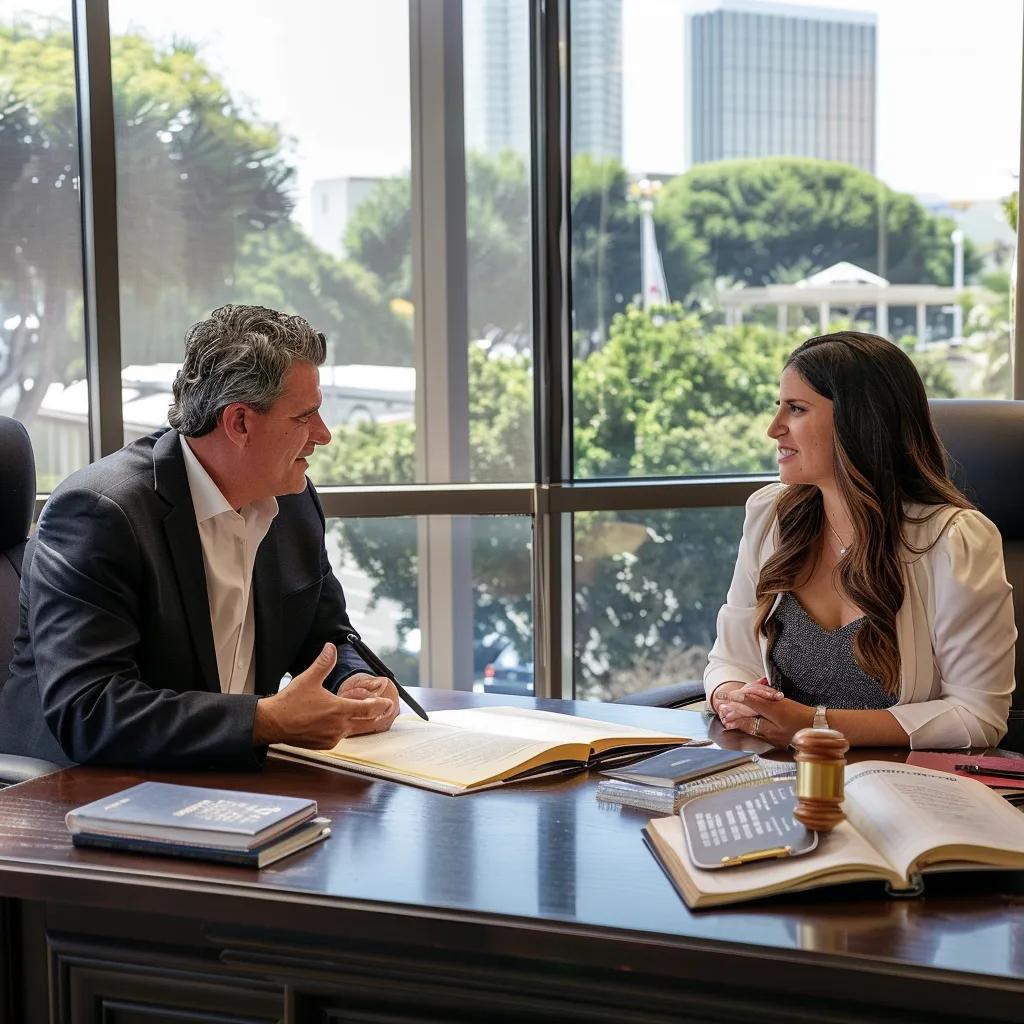
A divorce consultation typically follows a structured flow that allows both attorney and client to exchange essential information, establish goals, and determine next steps. This process builds the foundation for an effective legal strategy and fosters mutual understanding from the outset.
How Does the Consultation Flow from Start to Finish?
A standard consultation sequence includes five steps:
- Client intake and fact gathering to outline personal and case details.
- Review of documents and identification of key assets, liabilities, and custody concerns.
- Legal analysis explaining applicable statutes, community property rules, and procedural timelines.
- Strategy discussion where the attorney recommends options like negotiation, mediation, or litigation.
- Engagement terms covering fee structures, retainer agreements, and communication protocols.
What Roles Do the Attorney and Client Play in the Meeting?
The table below describes responsibilities for each participant:
| Participant | Responsibilities | Why It Matters |
|---|---|---|
| Client | Provide accurate information and objectives | Enables attorney to tailor strategy effectively |
| Attorney | Explain legal framework, recommend actionable steps | Transforms client goals into legally sound solutions |
How Is Confidentiality and Emotional Support Addressed?
All communications during your consultation are protected by attorney-client privilege, ensuring privacy and candid discussion of personal matters. Compassionate attorneys recognize the emotional toll of divorce, offering reassurance, active listening, and referrals to counseling services when needed. This supportive environment allows you to discuss sensitive concerns openly and begin healing alongside legal planning.
How Much Does a Divorce Consultation Cost in Long Beach?
Divorce consultation costs in Long Beach vary by attorney and service offerings, ranging from free initial meetings to hourly rates or flat fees. Transparency in pricing helps you select an affordable option that aligns with your budget and case complexity.
Are Free Divorce Consultations Available in Long Beach?
Many Long Beach family law firms offer a complimentary initial consultation to discuss your situation, evaluate legal needs, and outline potential strategies without immediate financial commitment. A free session lets you compare attorney styles and fee structures before deciding on representation.
What Are the Differences Between Hourly Rates and Flat Fees?
Below is a comparison of common fee arrangements:
| Fee Type | Rate Structure | Typical Range | Benefits |
|---|---|---|---|
| Hourly Rate | Billed per hour of attorney and paralegal time | $250–$450 per hour | Flexible for complex cases, pay for actual time |
| Flat Fee | Single set fee for defined services | $1,500–$5,000 total | Predictable cost, encourages efficient work |
How Can Payment Plans or Affordable Options Help You?
Flexible payment plans allow you to spread legal expenses over time, reducing upfront financial pressure. Sliding-scale fees or modest retainers can make high-quality representation accessible. Discussing affordable options with your attorney ensures that cost does not become a barrier to securing expert guidance when you need it most.
What Are the Next Steps After Your First Divorce Consultation in Long Beach?
After your initial meeting, you’ll decide on formal engagement, complete required filings, and prepare for mediation or court appearances. Understanding these steps keeps your case on track and prevents procedural delays.
How Do You Decide Whether to Hire a Divorce Attorney?
Assess factors such as the attorney’s expertise in similar cases, communication style, fee transparency, and your comfort level. Comparing proposals and reviewing client testimonials can confirm which attorney aligns best with your needs and budget, ensuring a collaborative partnership.
What Should You Expect Regarding Legal Procedures and Timelines?
| Procedure | Timeline | Purpose |
|---|---|---|
| Petition Filing | 1–2 weeks after hire | Initiates divorce and serves notice to spouse |
| Response Period | 30 days after service | Allows spouse to reply or contest filings |
| Mandatory Waiting | 6-month cooling-off | California’s minimum timeframe before finalization |
| Discovery & Settlement | Varies by complexity | Facilitates information exchange and negotiation |
How Can You Prepare for Future Meetings or Court Appearances?
To stay prepared:
- Maintain organized folders of updated financial and custody documents.
- Track deadlines and court dates in a shared calendar with your attorney.
- Review strategy memos or mediation briefs before each session.
- Gather character references or expert reports if needed.
How Does California Law Affect Your Divorce Consultation in Long Beach?
California’s legal framework shapes every aspect of your consultation by defining jurisdictional requirements, no-fault grounds, and community property rules that will steer your strategy and expectations.
What Are the Residency Requirements for Divorce in Long Beach?
California law requires at least one spouse to have lived in the state for six months and in the county of Long Beach for three months before filing. Meeting these criteria establishes the court’s authority and prevents delays in case processing, ensuring your petition proceeds without jurisdictional challenges.
California Residency Requirements for Divorce
To file for divorce in California, at least one spouse must have resided in the state for a minimum of six months and in the specific county where the divorce is filed for at least three months. This establishes the court’s jurisdiction over the case, allowing the divorce proceedings to move forward legally.
California Courts, “Divorce” (2024)
This information is relevant to the article as it explains the legal prerequisites for filing for divorce in Long Beach, California.
How Does California’s No-Fault Divorce Law Impact Your Case?
California operates under a no-fault system, meaning neither spouse must prove wrongdoing; simply citing irreconcilable differences suffices. This mechanism minimizes adversarial disputes over blame, allowing parties to focus on equitable division of assets, spousal support, and child-centered arrangements without contested allegations.
What Are Community Property Rules and Their Effect on Property Division?
| Asset Type | Ownership Rule | Division Implication |
|---|---|---|
| Real Estate | Acquired during marriage | Split equally unless a valid agreement exists |
| Retirement Funds | Contributions before and during | Marital portion divided, separate portion preserved |
| Business Interests | Spouse contributions count | Appraised marital share subject to division |
Community Property Rules in California
California is a community property state, meaning that assets and debts acquired during the marriage are generally divided equally between the spouses. This includes real estate, retirement funds, and business interests, which are subject to specific valuation and division rules during a divorce.
FindLaw, “Community Property vs. Separate Property” (2024)
This citation supports the article’s discussion of how community property laws affect property division in a California divorce.
Facing your first divorce consultation with knowledge of local procedures, financial preparations, and strategic questions equips you to move forward confidently. Thor Family Law’s Long Beach team stands ready to deliver affordable, expert guidance tailored to your family’s needs. Visit thorfamilylaw.com to schedule your consultation and take the next step toward resolution.